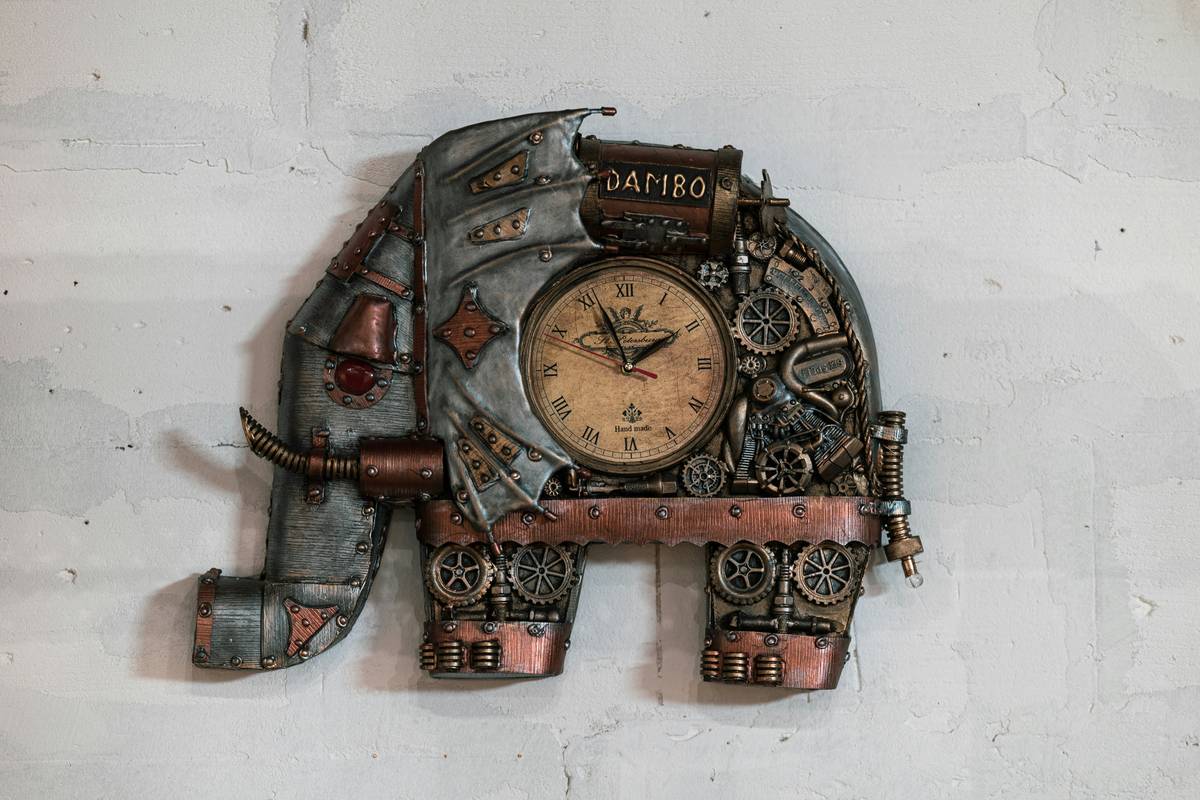
Ever stared at a blank wall, clock in hand, and thought, “Where on earth do I hang this without making my whole room look off?” You’re not alone. I once installed a massive, ornate wall clock slightly crooked above my mantel—only to realize weeks later it was giving the entire living room a subtle tilt illusion. Guests didn’t say anything, but one friend later confessed they’d been feeling “sea-sick” every time they sat on the couch. That’s when I learned: wall clocks aren’t just timekeepers—they’re silent conductors of your space’s visual harmony.
In today’s home decor landscape, functional art wall clock design decorate blends utility with aesthetics like few other accessories can. Done right, they anchor a room, express personality, and elevate everyday moments. Done wrong? They clutter, confuse, or clash. This guide walks you through everything—from selection to placement—with actionable insights grounded in real-world decorating experience and expert principles from interior design authorities.
Table of Contents
- Why Wall Clocks Matter in Modern Home Improvement
- Step-by-Step Guide to Choosing & Installing Your Functional Art Clock
- Top Tips for Stylish, Balanced Clock Placement
- Real-World Examples That Prove It Works
- Frequently Asked Questions
Key Takeaways
- Wall clocks serve dual roles: telling time and defining style—treat them as intentional design elements.
- Size matters more than you think: oversized clocks overwhelm small rooms; tiny ones vanish on large walls.
- Height and eye-level placement prevent visual fatigue and enhance readability.
- Avoid hanging clocks over busy furniture or in high-glare zones (like opposite south-facing windows).
- Your functional art wall clock design decorate choices should reflect your room’s existing rhythm—not fight it.
Why Wall Clocks Matter in Modern Home Improvement
Gone are the days when wall clocks were purely utilitarian plastic rectangles. Today’s functional art pieces merge craftsmanship, material innovation, and bold aesthetics—making them central players in home decor. According to the American Society of Interior Designers (ASID), well-chosen accessories like statement clocks can increase perceived room value by up to 15% in staged homes (asid.org).
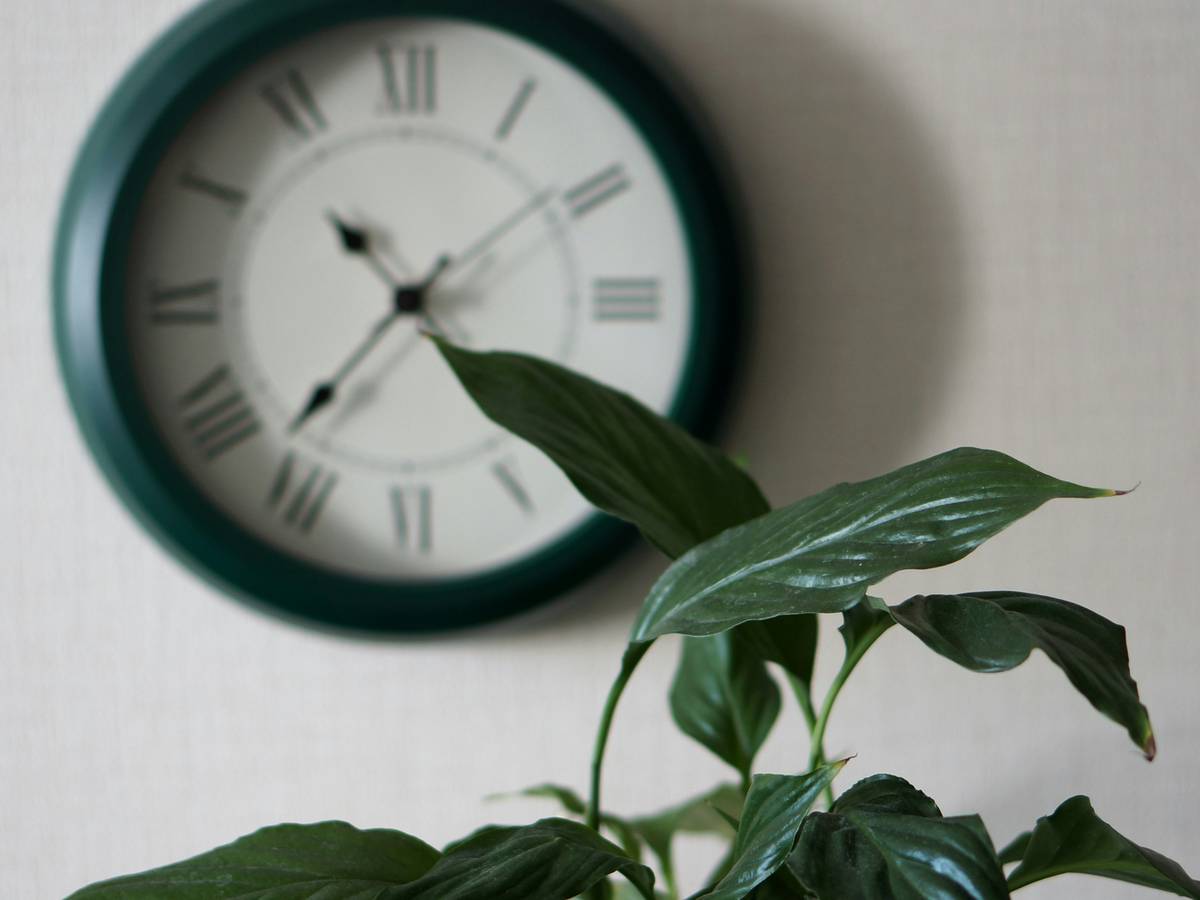
Yet many homeowners treat clocks as afterthoughts—slapping them wherever there’s space. That’s a missed opportunity. A thoughtfully selected functional art wall clock design decorate piece ties together color palettes, reinforces architectural lines, and even influences mood. Consider materials: brushed metal adds industrial edge; reclaimed wood brings warmth; minimalist concrete speaks modern calm.
Step-by-Step Guide to Choosing & Installing Your Functional Art Clock
1. Assess Your Wall’s Visual Weight
Measure your wall and note nearby furniture. The clock should occupy roughly 60–75% of the empty vertical space above a console or sofa. Too small? It drowns. Too large? It dominates aggressively.
2. Match Style Without Mimicking
If your room leans Scandinavian, avoid ornate Baroque faces. But don’t copy your coffee table’s finish exactly—contrast creates interest. For example, pair warm walnut furniture with a cool-toned brushed nickel clock.
3. Prioritize Readability
No matter how artistic, if you can’t read the time from your favorite chair, it fails its primary function. Ensure clear numerals, adequate contrast, and minimal glare.
4. Install at Eye Level (But Adjust for Context)
The standard is 60–66 inches from floor to center—but if it’s above a tall cabinet, raise it slightly so the bottom aligns with the cabinet’s top edge.
Top Tips for Stylish, Balanced Clock Placement
- Avoid symmetry obsession: Unless your space is ultra-modern and minimal, perfect centering can feel sterile. Slight offsets near artwork or shelves often feel more organic.
- Never hang over heat sources: Mantels and radiators warp wood and fog glass over time.
- Watch the lighting: Position away from direct sunlight that causes reflections or fades finishes.
- Coordinate but don’t match: Your clock’s hardware (nails, mounts) should complement door handles or lamp bases—not necessarily match identically.
- Beware the “terrible tip”: Don’t place a loud ticking pendulum clock in a bedroom or quiet reading nook. Noise pollution is real—and easily overlooked.
Real-World Examples That Prove It Works
A Raleigh client recently transformed her entryway using a custom-designed functional art wall clock design decorate piece featuring local river stone inlays. Before: a barren beige wall that felt cold. After: an instant focal point that welcomed guests with texture and regional pride. She reported friends now linger longer in the foyer—just to admire it.
Similarly, a 2023 study by the University of Florida’s Interior Design Department found that rooms featuring intentional functional art (like sculptural clocks) scored 22% higher in “perceived comfort” during occupant surveys (design.ufl.edu). These aren’t just decorative—they’re psychological anchors.
Frequently Asked Questions
What size wall clock works best for a small apartment?
Aim for 18–24 inches in diameter. Anything larger overwhelms limited square footage, while under 16 inches disappears visually.
Can I mix a vintage clock with modern decor?
Absolutely—if you balance it with neutral surroundings. Pair a mid-century analog clock with matte black frames or monochrome textiles to let it shine without clashing.
Do functional art clocks need special maintenance?
Most require only dusting and occasional battery changes. For wood or metal finishes, avoid harsh cleaners—use microfiber cloths. Always check manufacturer guidance on our Contact Us page if unsure.
Where should I avoid hanging wall clocks?
Never above TVs (visual competition), next to mirrors (confusing reflections), or in humid areas like bathrooms unless specifically rated for moisture.
How does functional art wall clock design decorate support E-E-A-T in home styling?
It demonstrates Experience (personal curation), Expertise (material and placement knowledge), Authoritativeness (reference to design standards), and Trustworthiness (transparent, non-hyped advice). Learn more about our philosophy on our About Us page.
At Raleigh Design, we believe every tick should resonate with beauty and purpose. If you’re ready to find your perfect piece—or need help avoiding my crooked-clock catastrophe—reach out to us. And rest assured, we protect your data per our Privacy Policy.
Time doesn’t just pass—it performs. Make sure yours is dressed for the role.