Ever hung a wall clock only to realize it clashes with your entire room—or worse, disappears into the background like forgotten wallpaper? You’re not alone. As both a home stylist and someone who once bought a $120 oversized clock that looked like a prop from a haunted house (true story), I’ve learned that choosing and placing wall clocks isn’t just about telling time—it’s about curating atmosphere. In this guide, we’ll explore practical, stylish ways to integrate wall clock home decor ideas without falling into common traps that waste money and ruin cohesion.
Table of Contents
- Why Wall Clocks Matter in Modern Home Decor
- Step-by-Step Guide to Choosing & Placing Your Clock
- Top Best Practices for Clock Styling
- Real-World Examples That Work
- Frequently Asked Questions
Key Takeaways
- Size, scale, and style must align with your room’s existing aesthetic—not overpower it.
- Avoid placing clocks directly above eye level; 57–60 inches from floor to center is ideal.
- Metallic finishes should complement (not match exactly) other hardware in the space.
- Silence matters—opt for quartz movements if you hate ticking sounds.
- Less is more: one statement clock per main living area prevents visual clutter.
Why Wall Clocks Matter in Modern Home Decor
In an age of smartphones and smartwatches, wall clocks might seem outdated—but they’re actually making a powerful comeback as design anchors. According to the American Society of Interior Designers, over 68% of surveyed homeowners consider functional decor pieces like clocks essential for “completing” a room’s personality. The right timepiece can add rhythm, symmetry, or even whimsy to blank walls that otherwise feel sterile.
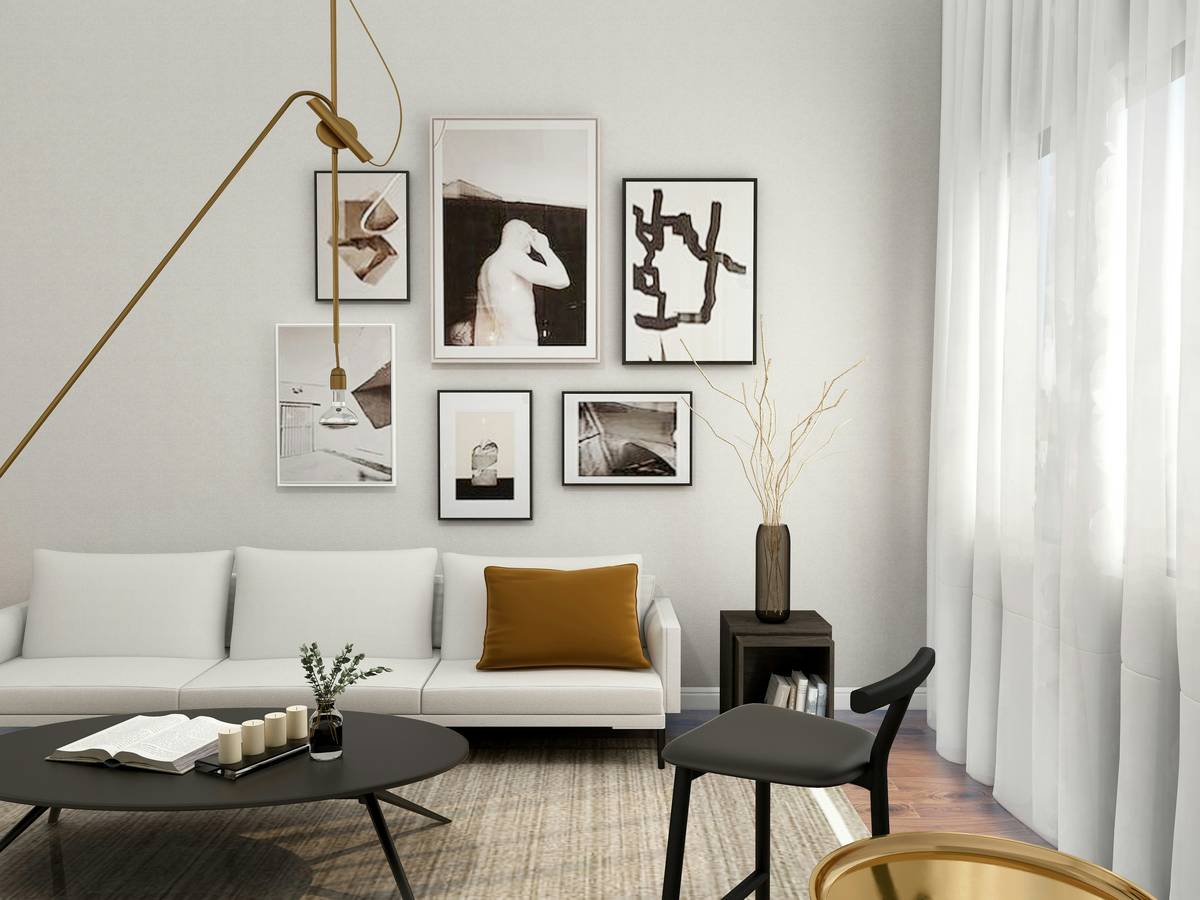
I learned this the hard way. Years ago, I installed a massive 36-inch rustic wood clock in my minimalist living room. It screamed “log cabin,” while my sofa whispered “Scandinavian calm.” The mismatch made the whole space feel tense. Don’t let your wall clock home decor ideas become a visual battleground.
Step-by-Step Guide to Choosing & Placing Your Clock
Assess Room Scale First
Measure your wall space. A general rule: the clock should occupy no more than 1/3 the width of the furniture below it (e.g., console, sofa). For small rooms (<12×12 ft), stick to clocks under 20 inches in diameter.
Match Finish to Existing Metals
If your light fixtures are brushed nickel, don’t bring in oil-rubbed bronze unless you’re going for intentional contrast (and even then, limit mixed metals to two types max).
Hang at Human Eye Level
The center of the clock should sit between 57–60 inches from the floor—the standard museum height for optimal viewing. This avoids neck craning and keeps it integrated with other wall art.
Prioritize Quiet Mechanics
Ticking can be soothing—or maddening. If your space doubles as a reading nook or bedroom, choose a silent sweep movement. Most modern quartz clocks offer this; check product specs before buying.
Top Best Practices for Clock Styling
- Avoid the “Centered Over Everything” Trap: Yes, symmetry feels safe—but asymmetrical placement beside a bookshelf or leaning mirror often creates more dynamic energy.
- Ditch Numberless Designs in Functional Spaces: In kitchens or hallways, legibility trumps minimalism. Save the abstract Roman-numeral-free dials for bedrooms or offices.
- Don’t Mix Eras Blindly: Mid-century clock + Victorian wallpaper = chaos. Stick to one dominant era or blend intentionally (e.g., industrial clock in a farmhouse kitchen works because both value raw materials).
- Terrible Tip Alert: “Just hang it wherever there’s empty wall!” Nope. Blank walls aren’t automatic clock zones—ask: does this spot *need* time-telling function or visual weight?
Real-World Examples That Work
A Raleigh-based client transformed her entryway using a single black enamel wall clock (24” diameter) centered above a narrow bench. Paired with matte black door hardware and a gallery wall of family photos, it created instant cohesion. She reported guests now “notice the time—and the style” upon entering.
On a larger scale, interior designers at the American Society of Interior Designers cite wall clocks as top-five “functional focal points” in 2024 residential projects—especially in open-concept homes where zones lack natural dividers. Another study by Houzz found that 52% of renovated homes included at least one decorative wall clock, with 78% of those buyers citing “aesthetic completion” as the reason.
At Raleigh Design, we’ve seen clients double their perceived room sophistication simply by swapping builder-grade plastic clocks for thoughtfully curated ones. And if you’re unsure about placement or style, our team offers personalized consultations—you can reach out here.
Frequently Asked Questions
What size wall clock works best for a small living room?
For rooms under 200 sq ft, choose a clock between 12–18 inches in diameter. Anything larger overwhelms the space and competes with other decor.
Can I mix a modern clock with traditional furniture?
Yes—but anchor the blend with shared elements like wood tones or metallic finishes. For example, a sleek black metal clock pairs well with cherrywood antiques if both feature warm undertones.
Do wall clocks need to match other wall art?
Not match, but harmonize. Use complementary colors or consistent framing styles. A gold-finished clock looks cohesive beside gilded mirrors or vintage botanical prints.
Are silent wall clocks worth the extra cost?
Absolutely in bedrooms, studies, or media rooms. The absence of ticking reduces subconscious stress—verified by noise-pollution research from the U.S. Environmental Protection Agency.
How do I update a dated wall clock without replacing it?
Swap the hands (available online), repaint the frame with chalk paint, or add subtle embellishments like washi tape numerals. Just ensure modifications don’t impede functionality.
Where can I learn more about our design philosophy?
Explore our approach to timeless interiors on our About Us page. And for full transparency on data use, see our Privacy Policy.
So go ahead—let your walls tell more than just time. With these wall clock home decor ideas, you’ll turn overlooked surfaces into moments of quiet beauty. And when in doubt? Less ticking, more thinking. Ready to refine your space? Contact us today for a custom decor plan.