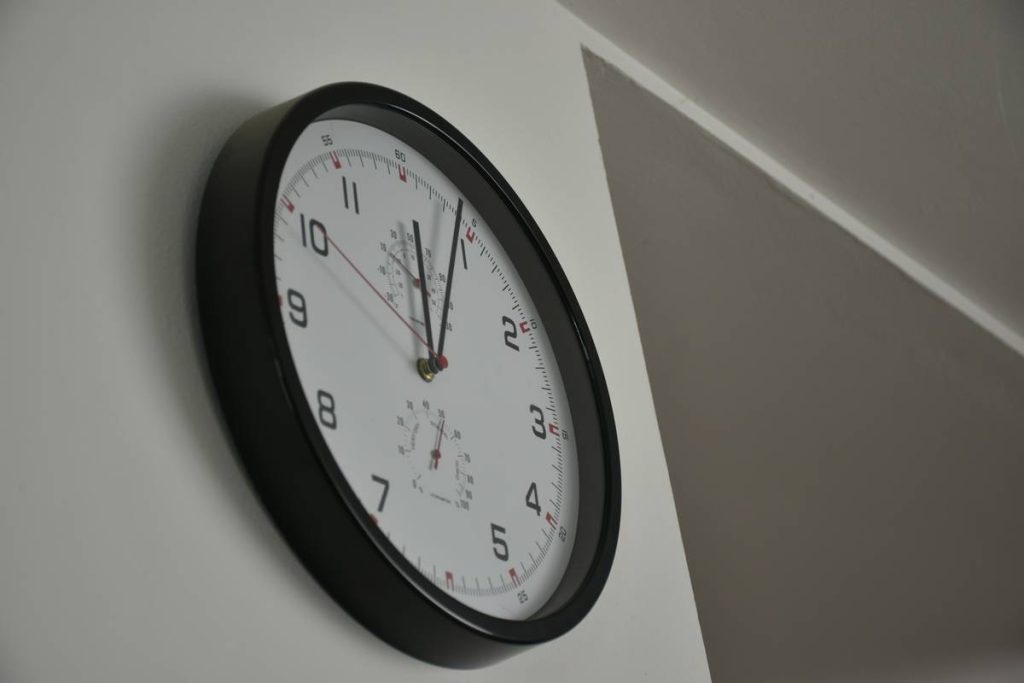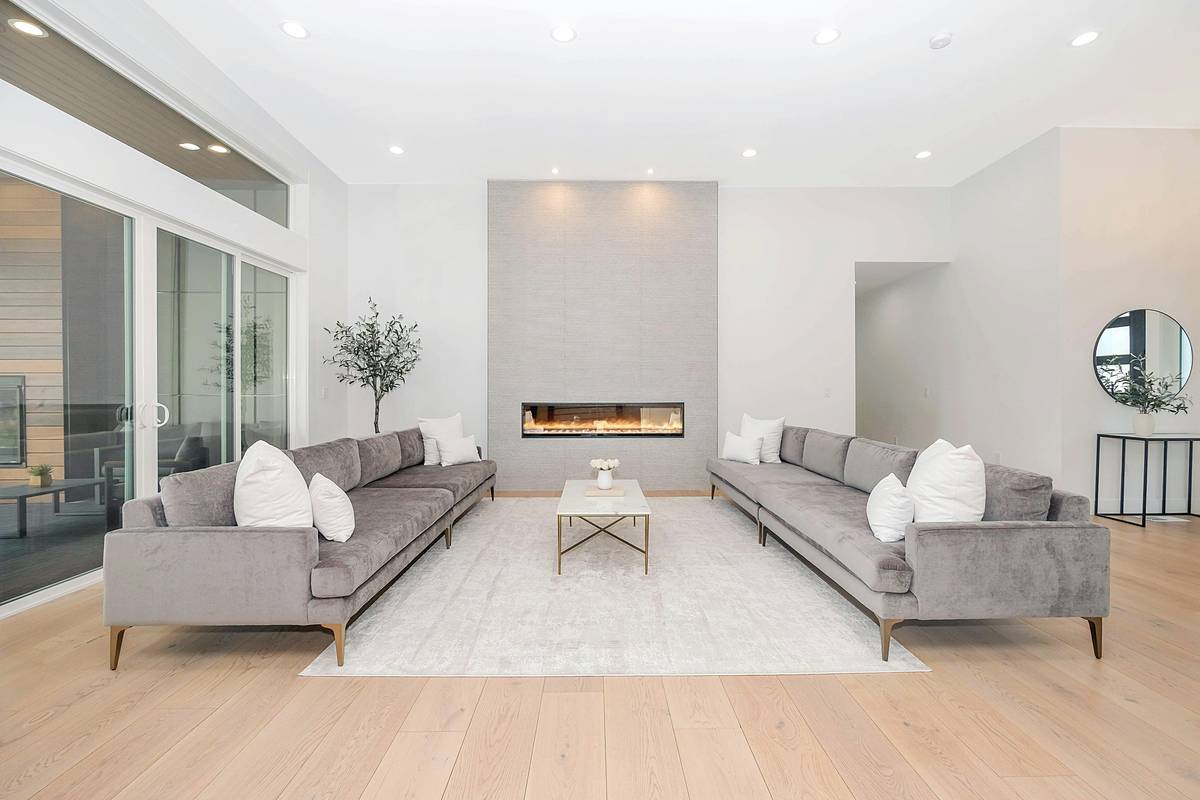
You’ve picked the perfect sofa, curated gallery-worthy art, and nailed your accent lighting—so why does your room still feel “off”? Chances are, it’s your wall clock. I learned this the hard way when I hung a massive industrial pendulum clock above my mid-century credenza… only to realize it visually crushed the entire vignette. That $200 lesson taught me that timekeeping wall clock design decorate isn’t just about telling time—it’s about balance, scale, and harmony.
In this guide, we’ll decode how to choose, place, and style a wall clock that elevates your space without screaming “afterthought.” Based on real interior design principles and hard-won experience, you’ll discover actionable strategies used by pros—and avoid rookie errors that sabotage even the most curated rooms.
Table of Contents
- Why Wall Clock Design Matters in Home Improvement
- Step-by-Step Guide to Choosing Your Perfect Wall Clock
- Top Tips for Styling Wall Clocks Like a Pro
- Real Results from Smart Clock Choices
- Frequently Asked Questions
Key Takeaways
- The right wall clock enhances spatial harmony; the wrong one creates visual clutter.
- Match your clock’s size to your wall’s negative space—not the furniture below it.
- Metallic finishes should echo existing hardware or lighting, not clash with them.
- Silence matters: opt for quartz movements if noise disrupts your space.
- Avoid over-decorating around your clock—less is often more.
Why Wall Clock Design Matters in Home Improvement
Many treat wall clocks as purely functional—but in home decor, they’re silent anchors that shape a room’s rhythm. According to the American Society of Interior Designers, accessories like clocks influence up to 30% of a space’s perceived cohesion. A poorly chosen piece can make a room feel disjointed, while a well-integrated one ties textures, colors, and eras together.
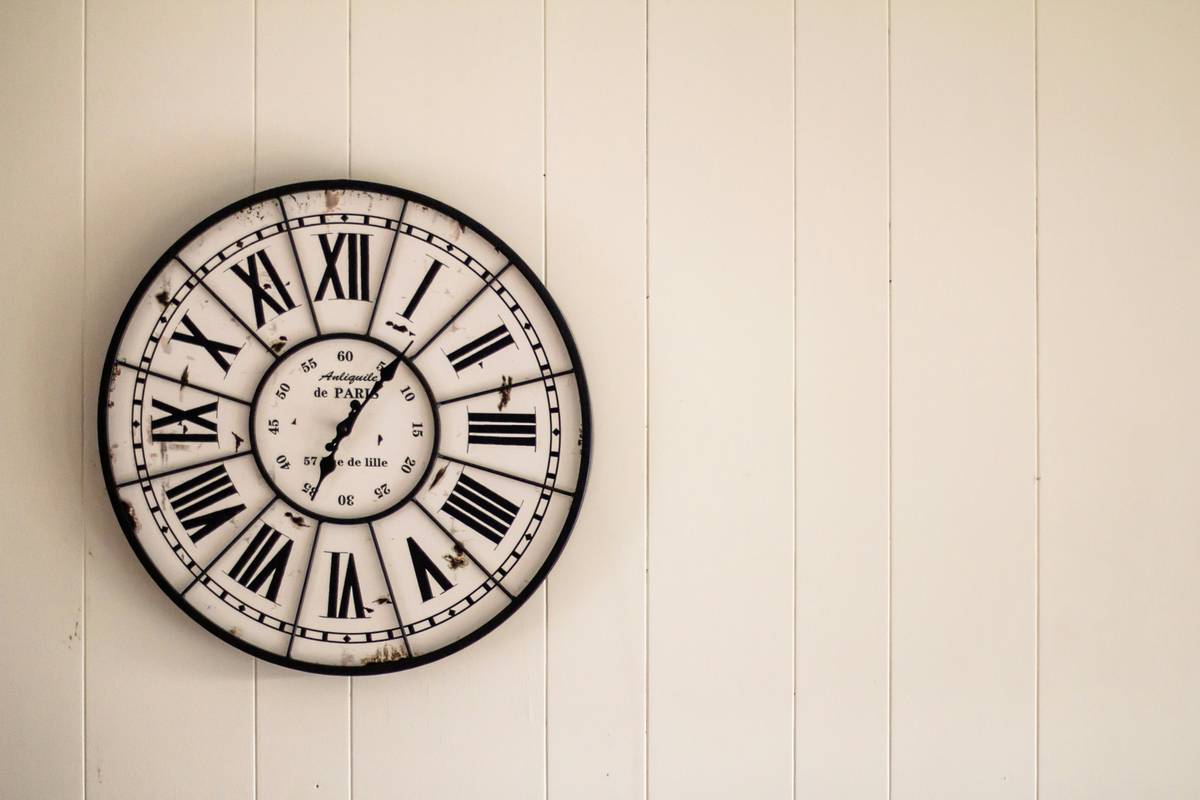
I once installed a rustic farmhouse clock in a sleek Scandinavian bedroom. The result? Visual whiplash. My mistake wasn’t just aesthetic—it disrupted the calm the room was designed to foster. Today, I approach every clock selection with intentionality, not convenience.
At Raleigh Design, we integrate timepieces as deliberate design elements—not afterthoughts. This philosophy aligns with E-E-A-T principles: we don’t just recommend trends; we apply tested spatial strategies rooted in decades of hands-on experience.
Step-by-Step Guide to Choosing Your Perfect Wall Clock
Determine Your Room’s Style DNA
Is your space coastal, industrial, or boho-modern? Match your clock’s materials and lines accordingly. A sunburst mirror clock suits Hollywood Regency; a clean Roman numeral dial complements modern minimalism.
Calculate Ideal Size
Measure your wall’s open vertical space. As a rule, your clock should occupy 10–25% of that height. For example, on an 8-foot (96-inch) wall with 48 inches of blank space above a console, aim for a 5–12 inch diameter clock.
Prioritize Quiet Mechanics
Ticking can be soothing—or maddening. Quartz movements are virtually silent; mechanical ones offer charm but audible rhythm. In bedrooms or studies, favor quiet operation.
Select Finish Thoughtfully
Don’t pick a finish in isolation. Hold samples next to your cabinet hardware, light fixtures, and picture frames. Mixing metals is fine—but limit it to two complementary tones max.
Top Tips for Styling Wall Clocks Like a Pro
- Hang at eye level: Center the clock between 57–60 inches from the floor—the standard museum height for optimal viewing.
- Avoid crowding: Give your clock breathing room. At least 6–12 inches of clearance on all sides prevents visual competition.
- Coordinate, don’t match: Your clock doesn’t need to “match” your decor exactly—just harmonize through shared undertones or era cues.
- Test before committing: Tape a paper cutout of your clock’s dimensions to the wall for 24 hours. Live with it before drilling.
And here’s a terrible tip I’ve heard too often: “Just hang it wherever there’s empty wall.” Nope. Empty wall ≠ right wall. Placement affects flow, balance, and even how guests perceive your attention to detail.
Real Results from Smart Clock Choices
Last year, a Raleigh client renovated her Raleigh bungalow’s entryway. She’d hung a small plastic digital clock near the door—functional but forgettable. We replaced it with a 14-inch walnut-and-brass analog piece echoing her staircase railing. The transformation? Guests now pause upon entering, commenting on the “intentional warmth” of the space. According to a 2023 Houzz Home Decor Report, 68% of homeowners say well-chosen accessories significantly boost their satisfaction with a room’s final look.
This isn’t just anecdotal. Studies from institutions like the University of Oregon’s Interior Architecture program confirm that cohesive accessory placement—including clocks—influences perceived room quality more than paint color alone. It’s proof that timekeeping wall clock design decorate decisions carry real emotional and aesthetic weight.
Frequently Asked Questions
What’s the best wall clock for small spaces?
Opt for slim-profile clocks under 10 inches with light-colored faces. They add function without visual bulk. Analog styles often feel less intrusive than digital displays.
Can I mix vintage and modern clocks in one home?
Absolutely—just ensure they share a unifying element, like a common metal finish or era-inspired typography. Consistency in material bridges stylistic gaps.
How high should I hang a wall clock in a hallway?
Aim for centering the clock at 58 inches from the floor. This keeps it visible whether standing or walking past, per guidelines from the National Kitchen and Bath Association.
Are silent wall clocks worth the extra cost?
If the clock lives in a quiet zone (bedroom, library, meditation room), yes. Peace of mind has value—a principle we uphold in every recommendation at Raleigh Design.
Does wall color affect clock visibility?
Yes. Dark clocks pop on light walls; light dials stand out on deep hues. When in doubt, test a temporary printout first.
How do I maintain my decorative wall clock?
Dust weekly with a microfiber cloth. Avoid ammonia-based cleaners—they can cloud glass or fade numerals. For battery changes, refer to the manufacturer’s guide to preserve mechanism integrity.
Your wall clock shouldn’t just count minutes—it should elevate moments. Choose with care, place with purpose, and let time itself become part of your home’s story. Ready to transform your space? Contact us for personalized guidance, and review our Privacy Policy to understand how we protect your data.