Ever hung a wall clock only to realize it clashes with your gallery wall or throws off your entire room’s vibe? You’re not alone. Wall clocks aren’t just timekeepers—they’re silent style anchors that can elevate or sabotage your home decor in seconds. As someone who once bought a massive, chrome-finished clock thinking it was “modern,” only to discover it screamed “1980s dentist office,” I’ve learned the hard way how crucial thoughtful choices are. In this guide, we’ll walk through seven actionable, expert-backed strategies to use wall clock home decor like a pro—without wasting money or momentum.
Table of Contents
- Why Wall Clocks Matter in Home Improvement
- Step-by-Step Guide to Choosing & Placing Your Clock
- Top Best Practices for Stylish Timekeeping
- Real-World Examples That Work
- Frequently Asked Questions
Key Takeaways
- Size, finish, and placement matter more than price when selecting a wall clock.
- Avoid oversized clocks in small rooms—they dominate rather than complement.
- Match metal finishes to existing hardware for cohesive wall clock home decor.
- Use clocks as focal points in minimalist or functional spaces like hallways.
- Always consider readability alongside aesthetics—style shouldn’t sacrifice function.
Why Wall Clocks Matter in Home Improvement
In the world of home decor, wall clocks straddle the line between utility and artistry. Unlike throw pillows or area rugs—which are purely decorative—clocks serve a dual purpose. According to the American Society of Interior Designers (ASID), functional accessories like clocks contribute significantly to a room’s perceived organization and flow. A well-chosen piece reinforces your design narrative; a poorly chosen one creates visual noise.
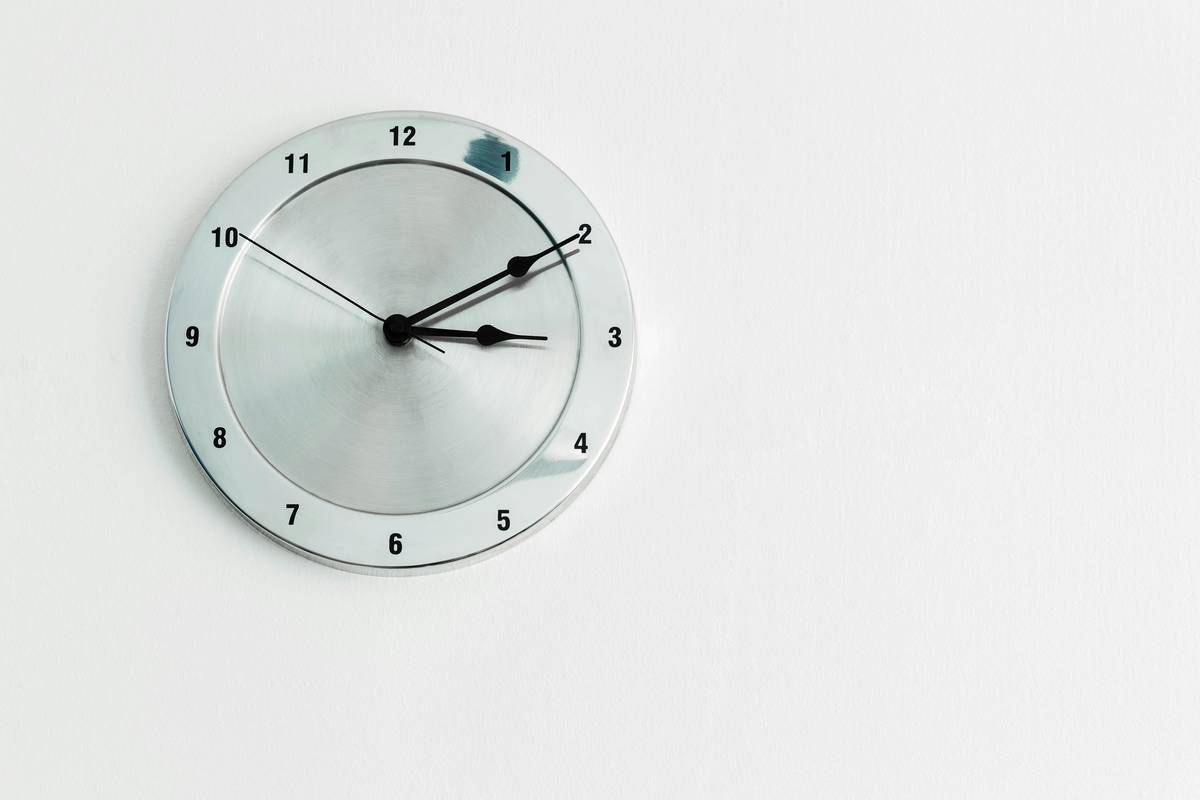
I learned this after installing a black industrial-style clock in my sun-drenched coastal living room. The stark contrast didn’t add drama—it created dissonance. The room felt “off” for weeks until I swapped it for a light wood frame with soft numerals. Suddenly, everything harmonized.
Step-by-Step Guide to Choosing & Placing Your Clock
1. Measure Your Wall Space
Rule of thumb: the clock should occupy no more than two-thirds the width of the furniture below it (like a sofa or console). For bare walls, aim for a diameter between 24–32 inches in large rooms, 16–24 inches in average-sized spaces.
2. Match Your Existing Palette
Pull colors from your rug, curtains, or artwork. If your hardware is matte black, avoid brushed nickel unless you’re intentionally mixing metals (and even then, keep it balanced).
3. Prioritize Readability
No matter how gorgeous it looks, if you can’t tell the time from across the room, it fails its primary job. Opt for high-contrast hands and clear numerals. The U.S. Access Board’s accessibility guidelines emphasize legible timepieces in shared living areas—a standard worth borrowing even in private homes.
4. Hang at Eye Level
The center of the clock should sit between 57–60 inches from the floor. This ensures visibility whether standing or seated.
Top Best Practices for Stylish Timekeeping
- Less is more: One statement clock per major room prevents visual clutter.
- Avoid “theme traps”: Steer clear of novelty shapes (guitars, globes) unless your entire space leans eclectic.
- Consider silence: Choose quartz or battery-operated movements if you hate ticking sounds—especially in bedrooms or studies.
- Coordinate, don’t copy: Your clock doesn’t need to match your lamp base exactly, but shared undertones (warm brass, cool chrome) create cohesion.
Terrible tip alert: Don’t hang your clock above a TV. The combined height pushes it too high, making it unreadable—and visually competing with your screen ruins both.
Real-World Examples That Work
A Raleigh-based client transformed her entryway using a 28-inch walnut clock with Roman numerals. Paired with a reclaimed wood bench and vintage mirror, the setup created a warm, inviting welcome zone. Within three weeks, she reported guests commenting on the “intentional calm” of her home—proof that small details matter.
On a broader scale, Houzz’s 2023 Home Decor Trends Report noted a 41% year-over-year increase in searches for “minimalist wall clocks,” confirming the shift toward clean-lined, functional accessories. When used thoughtfully, wall clock home decor aligns perfectly with this trend—blending form, function, and personal style.
For more design insights, explore our About Us page to see how we blend local craftsmanship with timeless aesthetics.
Frequently Asked Questions
What size wall clock works best in a small bedroom?
Stick to 12–18 inches in diameter. Anything larger overwhelms intimate spaces. Prioritize silent mechanisms for undisturbed sleep.
Can I mix a modern clock with traditional furniture?
Yes—if you bridge the styles. A modern clock with an antique frame, or one that shares a color with your traditional pieces (like navy or olive), creates deliberate contrast rather than chaos.
Where should I avoid hanging a wall clock?
Never above fireplaces with active heat (warps materials) or directly opposite mirrors (causes confusing reflections). Also skip high-humidity zones like bathrooms unless the clock is specifically rated for it.
How do I clean vintage wall clocks without damaging them?
Dust gently with a microfiber cloth. Avoid liquids or sprays—moisture seeps into mechanisms. For intricate pieces, consult a specialist; the National Association of Watch and Clock Collectors offers reliable care guidelines.
Conclusion
Great wall clock home decor isn’t about following trends—it’s about choosing pieces that respect your space, serve your needs, and reflect your taste without shouting. Whether you’re revamping a single room or rethinking your whole home, remember: time waits for no one, but good design does. Ready to find your perfect clock? Contact us for a personalized consultation. And rest assured—we take your privacy seriously, as detailed in our Privacy Policy.
Tick-tock, your walls are listening.